
What Does Perfectionism Have to Do With Body Image?
You may be wondering if a desire to be perfect can impact body image. Perfectionism is a tendency to have an extremely high standard for yourself, often beyond what is necessary for a situation.
Perfectionistic standards do not just apply to work, achievement, or school. Perfectionism is a frame of mind that can impact every aspect of your life, including how you view your body.
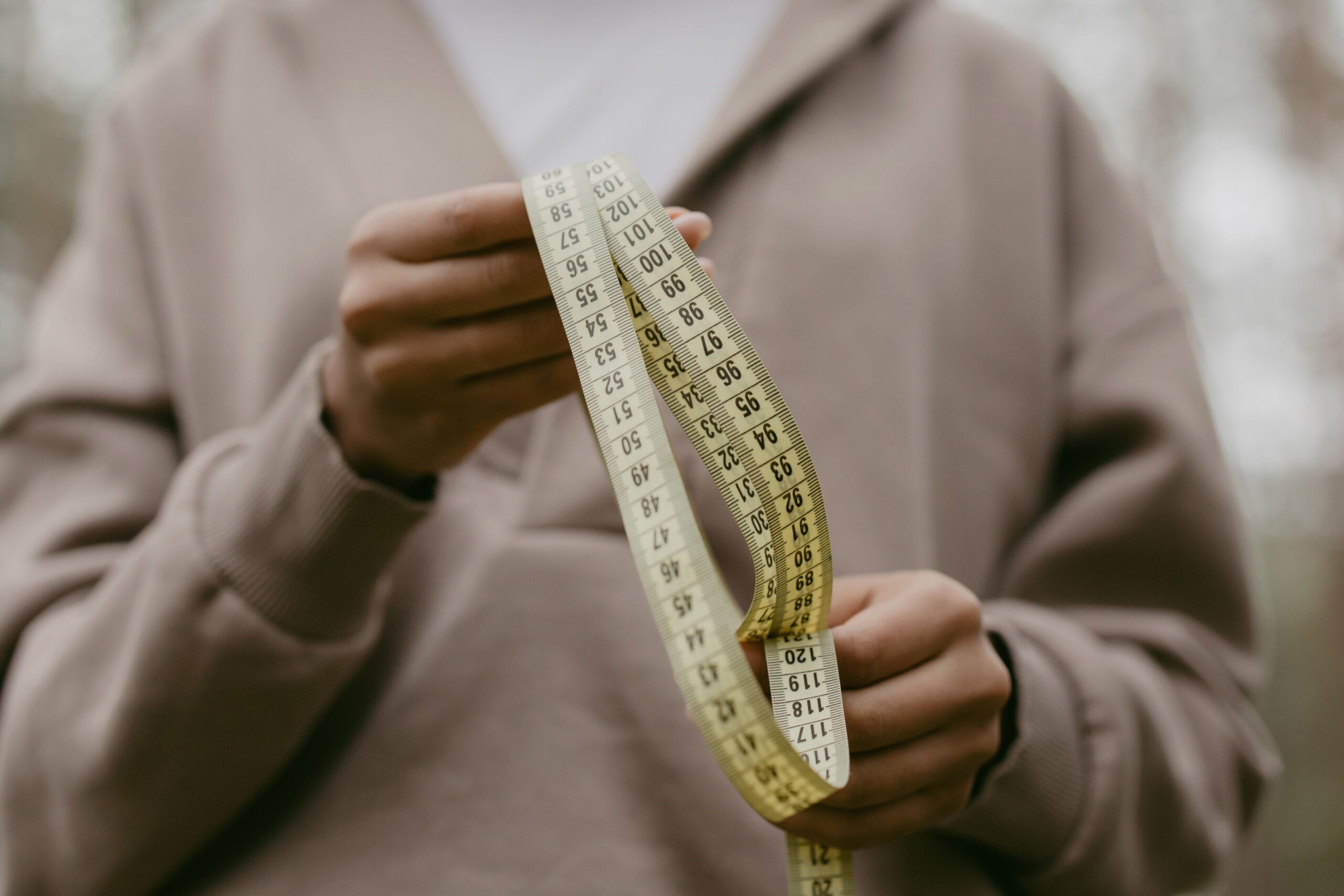
Perfectionistic body standards can show up as rigid ideas around what you consider beautiful and what you consider to be an acceptable body size. Approaching your body from a perfectionistic standpoint involves treating your body like a project that must continually be improved.
Signs Perfectionism May Be Affecting Your Body Image
Perfectionism towards your body can involve a number of behaviors and thinking patterns. Here are a few signs to look out for:
- Body checking, such as looking in the mirror often or frequently weighing yourself
- Comparing yourself to others
- Excessive focus on your perceived flaws
- Difficulty accepting normal changes that happen with your body, such as finding grey hairs or noticing weight change
- Avoiding photos or activities in which you feel you won’t look “good enough”
- Believing you’ll only feel confident after you are able to change something about your appearance
The Moving Target of the “Perfect” Body
Perfectionism can often trap you into a framework where your standards frequently shift and become more demanding the more you focus on being perfect.
For example, once you reach the weight you thought you would be happy with, perfectionistic thinking can cause you to move the goalpost and try to shoot for an even lower weight, even if this might lead you to engage in unhealthy behaviors like skipping meals.
Or if you manage to reach a point you’re satisfied with, perfectionistic thinking can make you feel terrified of losing what you achieved. This can result in constant monitoring of yourself, which increases anxiety about your body and perfectionistic thinking.
Why Comparison & Perfectionism Reinforce Each Other
People who struggle with perfectionism often compare themselves to others. You may spend time noticing how your appearance stacks up against your peers, as well as how you may compare to people on social media or in popular culture.
Comparison often leads to feeling less than, as you’ll almost always be able to find someone who you perceive as more beautiful, youthful, or having a more ideal body type. You’re often comparing yourself to people who have access to vast resources to help them achieve a particular look, as well as photo editing techniques to paint themselves in the most positive light.
Social media can portray a misleading picture of the type of confidence and happiness that might come from achieving a certain appearance. You have no idea how the people you see online actually feel about themselves or their lives by looking at how they present themselves. They may actually feel exhausted and defeated by the constant pressure to look good – something that you’re unlikely to see on a brief social media post.
How All-or-Nothing Thinking Shapes Body Image
All-or-nothing thinking is a thinking pattern where you struggle to see nuance, and instead see things as all one thing, or all another. Perfectionism often results in this type of thinking, which makes it difficult to see the complexity that comes from taking in your body as a whole.
All-or-nothing thinking can look like deciding your body is completely bad because of one feature you notice. It can show up as feeling that you’re either completely disciplined at managing your body, or you’re failing. Or it can manifest in the form of believing you look terrible overall because of how you look in one photo.
This type of thinking can cause a lot of pain, and can make it difficult for you to notice the nuances that may open you up to a kinder approach towards yourself.
When Appearance Starts Determining Your Self-Worth
When you’re perfectionistic about your appearance, this can negatively affect your self-worth. Spending so much time critiquing how you look leads to negative feelings overall about yourself.
You might start to only feel deserving, loveable, and confident on days when your appearance meets an internal standard, or your overall mood can be impacted by how you feel that you look. Your relationships may suffer as you become less open to connection on days you feel like you don’t look very good. Overall, your willingness to participate in life can be impacted by the lowered self-worth you feel when you don’t live up to your appearance standards.
Why Trying Harder to Perfect Your Body May Not Bring Peace
Trying to perfect your body can make you believe that you’ll one day arrive at a place of peace where you no longer feel dissatisfied with how you look. However, increasing control over your body, checking behaviors, and self-criticism all actually have the opposite effect of taking you further away from peace. This is because these behaviors all add onto the underlying insecurity that drives body dissatisfaction. Finding peace with your body is often less about arriving at a particular appearance, but rather addressing the insecurity and other influences that drive body criticism.
Body Acceptance & Body Neutrality as Alternatives to Perfection
Instead of trying to achieve body perfection, if you want true peace with your body, body acceptance and body neutrality are more approachable ways to resolve your challenges with body image.
Body acceptance involves recognizing that bodies come in all shapes, sizes, and appearances. Acceptance is a process of making space for the truth of what your body is. This can involve appreciating your body for the ways that it allows you to do things you love, and offering empathy and kindness for the parts of your body that you are frustrated by.
Body neutrality is an approach that recognizes that body positivity is not always an accessible goal. Instead of forcing yourself to love your body’s appearance at all times, this approach invites you to view your body with neutrality and to decenter the importance of your body’s appearance to your life.
Body acceptance and neutrality also involve recognizing that often body image dissatisfaction comes from societal standards around beauty and size that are often impossible to achieve and harmful to try to adhere to. We can recognize how hard it is to repeatedly hear these societal messages, while still recognizing the value of letting go of them when possible.
What Would Change If Your Body Did Not Have to Be Perfect?
Perfectionism around body image can consume your focus and limit your choices. Imagine what you might be interested in doing if you weren’t so consumed by trying to achieve a perfect body before you were allowed to participate in life. Here are a few areas to consider:
- Would you dress any differently if you could dress the way you enjoyed, rather than trying to look perfect?
- Would you pursue relationships and connections more openly and fully if you were less concerned with appearing a certain way to other people?
- Would you try out enjoyable ways to move if you weren’t trying to hide your body’s imperfections?
- Would you be more willing to try new experiences if you felt free to show up as you look now, rather than needing to achieve a certain look first?
How Therapy Can Help With Perfectionism & Body Image
Overcoming perfectionism around body image can be a challenging journey, and therapy can help. Therapy offers you a place to recognize rigid standards you’re no longer interested in holding onto, reducing self-criticism and comparison, and developing greater self-compassion. In therapy, you’ll be guided to connect with your values so that you can pursue experiences that might bring more fulfillment than being caught up in your appearance.
I’m a licensed professional counselor specializing in body image counseling focused on guiding you to build acceptance and self-compassion. I offer virtual sessions for people throughout Texas, and in-person sessions in my Houston office. If you’re interested in working with me, schedule a free consultation call or video chat at the link below.